
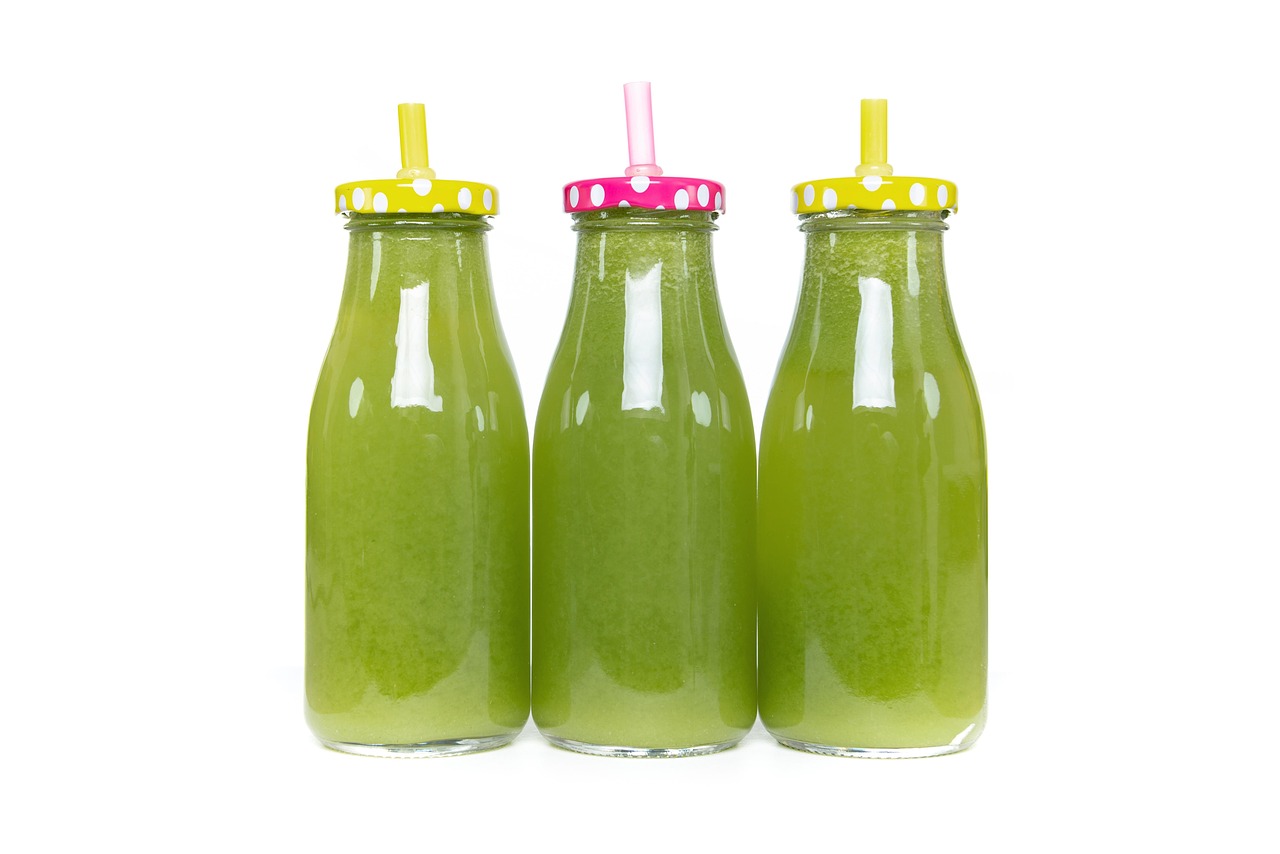
Celery juice has become one of the internet's favorite morning rituals. Depending on who is selling the habit, it can supposedly detox your liver, erase bloating, clear your skin, flatten your stomach, and fix your digestion before breakfast. That is a lot to ask from a green juice.
The more honest version is still useful. Celery juice can be a light, hydrating vegetable drink, and there is some real research on celery preparations and cardiometabolic markers. But the science is not strong enough to justify miracle language, and most of the better studies are not on a plain glass of celery juice by itself.
What Is Celery Juice?
Celery juice is usually made by juicing or blending celery stalks, then sometimes straining the liquid. That last detail matters. Once you strain juice, you usually remove much of the fiber that made the original vegetable more filling and more balanced.
Celery itself is mostly water and fairly low in calories, which helps explain why celery juice feels light and easy to drink. It also contains naturally occurring plant compounds such as apigenin and luteolin, which are part of the reason researchers keep studying celery in broader cardiometabolic research.
The strongest modern reference is a 2025 systematic review and meta-analysis of randomized trials. It suggests celery preparations may help with blood pressure, fasting glucose, and triglycerides, but it also shows an important limitation: many of the included studies used seeds, extracts, or standardized celery preparations rather than a casual homemade juice.
Key idea
Celery juice is easiest to defend as a simple, low-calorie vegetable drink with some plausible cardiometabolic upside. It is much harder to defend as a detox cure, fat-loss hack, or medical treatment.
7 Celery Juice Benefits
These are the benefits with the clearest practical or research-backed footing. Some are stronger than others, and several depend on the juice replacing less helpful drinks rather than acting like a miracle on its own.
Helps with hydration simply because it is mostly water
This is one of the most believable benefits. Celery juice is a fluid-rich drink, so of course it can help with hydration. That does not make it special compared with water, but it can be a pleasant way to drink more fluids if you enjoy the taste.
Can be a lighter swap for sugary drinks
If celery juice replaces soda, sweet coffee drinks, or a fruit-heavy bottled juice, that trade can be useful. The benefit is partly about what it replaces, not just about celery itself.
May modestly support blood pressure routines
This is one of the more interesting research areas. A 2025 meta-analysis found celery preparations improved systolic and diastolic blood pressure overall, although the best results were seen with celery seeds and higher-dose preparations, not necessarily a plain glass of juice.
May slightly improve fasting blood sugar in some studies
The same meta-analysis found a modest improvement in fasting plasma glucose. That is encouraging, but it still does not mean celery juice should be sold as a blood-sugar treatment or a substitute for the basics of diabetes care.
May help with triglycerides more than broader cholesterol markers
Another useful nuance from the 2025 review is that triglycerides improved, while total cholesterol, LDL, and HDL did not show consistent overall changes. That makes the lipid story mixed rather than dramatic.
Provides plant compounds that researchers care about
Celery contains flavonoids such as apigenin and luteolin, which is why it keeps showing up in review papers. Even when a specific juice claim is overhyped, there is still a real nutritional reason celery remains scientifically interesting.
Can be an easy caffeine-free morning habit
Not every benefit has to be a lab marker. Some people simply like having a non-caffeinated, low-calorie drink first thing in the morning. If it helps you start the day without loading up on sugar or extra caffeine, that routine can still be useful.
If you want the broadest current research summary, the 2025 meta-analysis on celery and cardiometabolic markers is the best place to start.
For a closer look at the blood-pressure angle specifically, there is also a 2024 narrative review on celery's antihypertensive potential and a 2022 triple-blind placebo-controlled celery seed extract trial.
How to Drink It
If you want celery juice in your routine, the smartest version is the least dramatic one. Think of it as a food choice, not a cleanse.
Keep the portion reasonable. A modest glass is enough. Bigger is not automatically better.
Do not assume empty-stomach magic. There is no special evidence that celery juice works only when you drink it first thing in the morning.
Know the tradeoff with straining. If you strain aggressively, you usually lose much of the fiber whole celery would have provided.
Use it as a swap, not an addition. It is most useful when it replaces a less helpful drink instead of becoming one more thing piled onto the day.
Skip the miracle language. If you enjoy it, great. It does not need to be a detox ritual to be worth drinking.
Heads up
The strongest celery data is not the same thing as proof that plain celery juice will create the same result in everyday life. That gap matters whenever social media turns a food into a medical promise.
Who Should Be Careful?
Celery juice is usually easy for healthy adults to try, but it is not automatically ideal for everyone.
People with celery allergy: this is the clearest reason to avoid it.
People who rely on whole vegetables for fullness: juice is not the same as eating celery, especially once it is strained.
People with sensitive digestion: some notice bloating or discomfort from large servings of vegetable juice.
People on tightly managed blood pressure, blood sugar, potassium, or fluid plans: that does not mean celery juice is dangerous, but it is a reason to think in terms of fit and context rather than wellness hype.
The 2025 meta-analysis did not find a significant overall adverse-event difference between celery preparations and placebo, which is reassuring. But reassuring is not the same thing as saying a trendy daily habit is automatically ideal for every person.
Frequently Asked Questions
Is celery juice actually good for you?
Does celery juice lower blood pressure?
Does celery juice detox your body?
Is celery juice better than eating celery?
Can you drink celery juice every day?
Who should be careful with celery juice?
The Bottom Line
Celery juice is easier to respect when you stop asking it to be magical. It can be a hydrating, low-calorie vegetable drink with a few plausible cardiometabolic upsides, especially when it replaces sweeter beverages.
What the evidence does not support is the oversized version of the story. The strongest celery research is broader than plain juice, and the smartest way to use celery juice is as one small habit, not as a cure-all.