
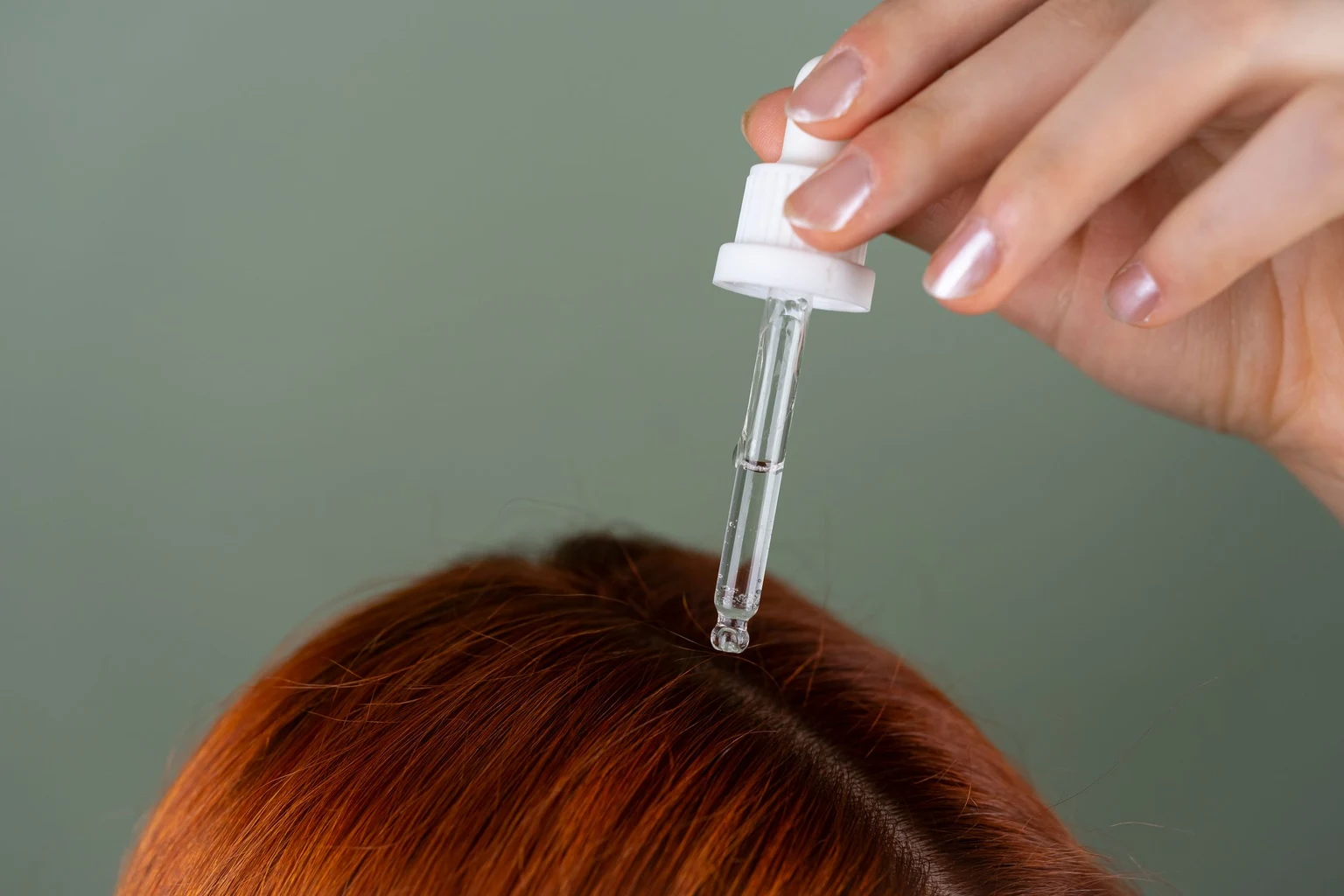
Castor oil is repeatedly described as a natural hair-growth treatment, but the visible effects of an oil coating are easy to confuse with new growth. Hair can look darker, shinier, smoother, and less frizzy after oiling without a single new follicle being activated.
Does Castor Oil Help Hair Grow?
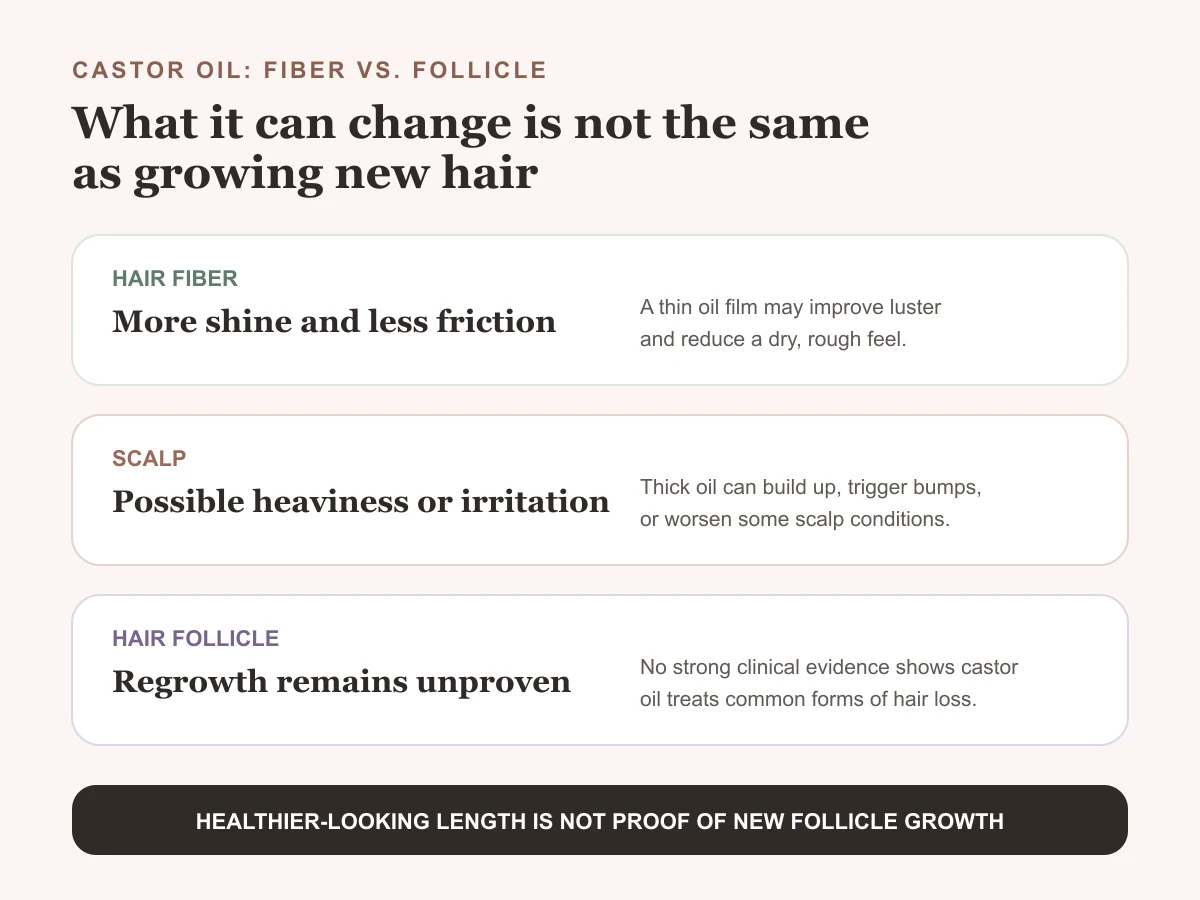
There is no strong clinical evidence that castor oil regrows scalp hair, treats female pattern hair loss, or reverses a receding hairline. A review focused on coconut, castor, and argan oil found weaker evidence that castor oil may improve hair quality by increasing luster, but no strong evidence for hair growth. That makes it a cosmetic hair oil, not a proven hair-loss treatment.
 Support Non-AI Creator
The 2022 review in the Journal of Drugs in Dermatology found no strong support for castor oil as a hair-growth treatment. Newer reviews discuss possible biological pathways, but a pathway or computer-model finding is not the same as a controlled trial showing reliable regrowth in people.
Hair Loss Is a Symptom, Not One Condition
Sudden shedding, smooth bald patches, scalp pain, scale, pus, broken hairs, or a shiny scar-like area needs diagnosis. Applying oil can delay treatment for autoimmune, hormonal, nutritional, infectious, traction-related, or scarring hair loss.
Why Is Castor Oil Linked to Hair Growth?
Castor oil is rich in ricinoleic acid and has a dense, glossy texture. Marketing claims often jump from its chemical composition to assumptions about circulation, prostaglandins, inflammation, or follicle stimulation. Those ideas have not been converted into strong human evidence for common hair-loss conditions.
Three visual changes can make anecdotes convincing:
- Shine creates contrast. Darker, glossier strands may make the scalp look less visible in a photo.
- Less breakage preserves length. Lubricated hair may tangle less, so a person retains more of the existing fiber.
- Hair cycles naturally. Shedding and regrowth fluctuate, so improvement after starting an oil does not prove the oil caused it.
Before-and-after photos are also affected by part width, styling, wetness, lighting, camera distance, and whether the hair was freshly washed.
What Can Castor Oil Realistically Do for Hair?
Add Shine and Reduce a Rough Feel
A small amount can coat the cuticle, reduce friction, and make dry lengths look smoother. This is most useful for coarse, curly, chemically treated, or weathered hair that tolerates heavier oils. Fine hair may become flat or greasy quickly.
Help Reduce Mechanical Breakage
Oil can add slip before detangling and reduce friction between strands. Less breakage can help retain length, but it should not be described as increasing the scalp's growth rate. Gentle handling, conditioner, fewer tight styles, and lower heat remain important.
 Support Non-AI Creator
Seal Moisture Into the Hair Fiber
Castor oil does not add water. It forms an oily layer that may slow moisture loss after conditioning. Use it over damp, conditioned hair rather than expecting neat oil to hydrate a dry strand by itself.
Temporarily Improve the Look of Sparse Brows
An oil film can make brow hairs look darker and more defined. Evidence that castor oil grows new eyebrow or eyelash follicles is lacking. Keep it out of the eyes and do not apply it along the waterline.
How to Use Castor Oil More Safely
If your goal is shine or reduced friction rather than regrowth, use the smallest amount that changes the feel of your hair.
- Patch-test a small amount behind the ear or on the inner arm for several days.
- Mix one part castor oil with two or three parts of a lighter oil or use a finished hair product containing it.
- Apply a few drops to damp mid-lengths and ends, not an entire dropper across the scalp.
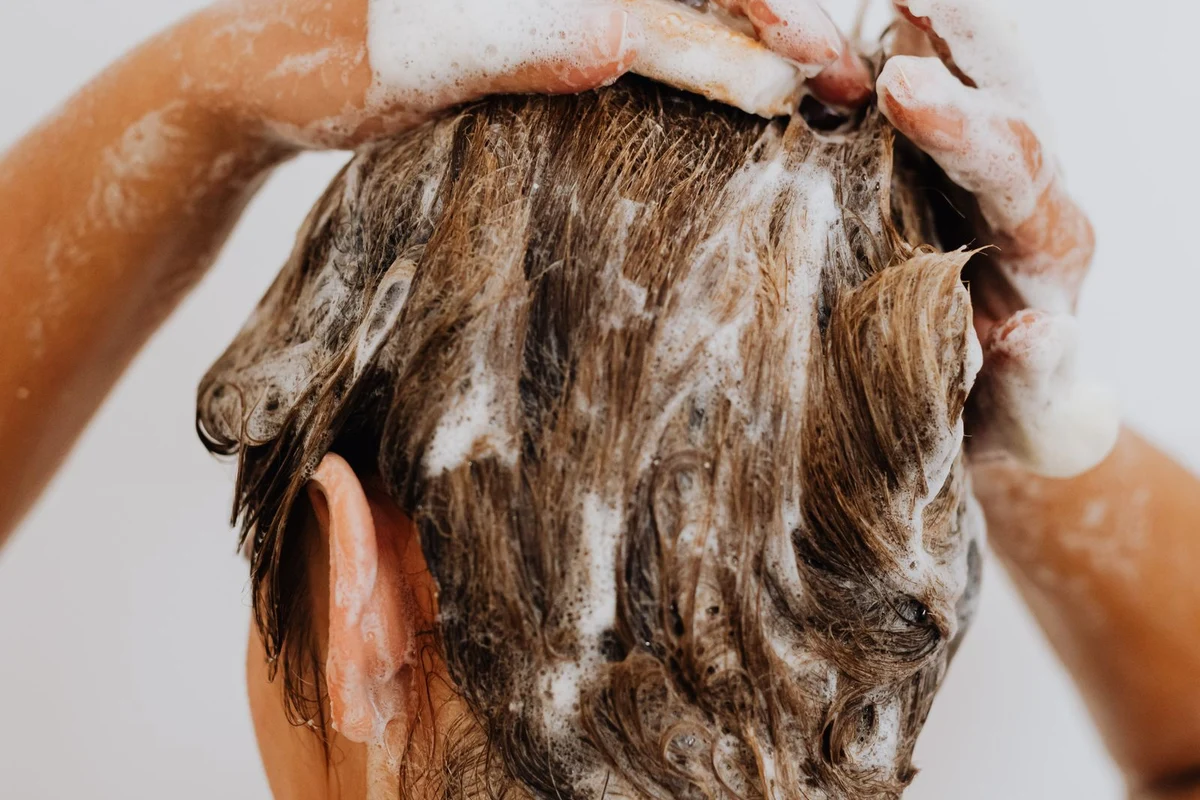
- Leave it on briefly at first, then shampoo thoroughly. A double cleanse may be needed for heavy buildup.
- Use it no more than weekly to start. Fine, oily, acne-prone, or dandruff-prone scalps may do better without it.
 Support Non-AI Creator
Do not add essential oils simply to make the blend feel more active. Fragrance and concentrated botanical oils can add irritation without solving hair loss. If you are using minoxidil or a prescription scalp medicine, ask the treating clinician before layering a heavy oil over it.
What Are the Risks of Castor Oil on Hair and Scalp?
Buildup and Difficult Washing
Castor oil is unusually thick. Heavy application can trap lint, leave roots limp, and require repeated shampooing that dries the lengths. Product residue can also make it harder to assess scale or inflammation.
Irritation, Allergy, and Hairline Bumps
Stop using it if you develop itching, burning, redness, swelling, or a rash. Oils around the hairline can contribute to clogged pores and acne-like bumps in some people. The AAD notes that oils in hair products can cause breakouts along the forehead and neck.
Acute Hair Felting
Rare reports describe severe matting after castor-oil use. In acute hair felting, strands become a compact, tangled mass that may be impossible to comb apart. Do not rub large amounts vigorously through long or already tangled hair. Seek professional help rather than pulling or cutting blindly if severe matting occurs.
Worsening an Untreated Scalp Condition
Oil is not a treatment for psoriasis, seborrheic dermatitis, fungal infection, or scarring alopecia. A scalp that is painful, inflamed, crusted, or losing hair in patches needs assessment before another home remedy.
What Actually Helps Thinning Hair?
Treatment depends on the pattern and cause. The American Academy of Dermatology identifies topical minoxidil as the most-recommended treatment for female pattern hair loss, with approved 2% and 5% products. It can irritate the scalp and may cause temporary increased shedding when treatment begins.
The FDA labeling for women's minoxidil warns against self-treatment when hair loss is sudden, patchy, related to childbirth, unexplained, or accompanied by a red, infected, irritated, or painful scalp. Results take months and continued use is generally needed to maintain them.
Other next steps may include:
- checking for iron deficiency, thyroid disease, medication effects, or inadequate calorie and protein intake when the history suggests them;
- loosening hairstyles that pull on the edges or scalp;
- treating dandruff, psoriasis, infection, or inflammation correctly;
- discussing prescription options for pattern hair loss with a dermatologist;
- seeking early care for scarring hair loss, because destroyed follicles may not regrow.
The AAD's hair-loss guidance also recommends gentle washing, conditioning, lower heat, avoiding tight styles, adequate nutrition, and diagnosis before taking hair-growth supplements.
When Should You See a Dermatologist?
Arrange an appointment for a widening part, steadily decreasing density, recession at the temples, persistent excessive shedding, or breakage you cannot explain. Seek care sooner for a smooth bald patch, scalp pain or burning, pustules, thick scale, loss of eyebrows, a shiny scar-like area, or hair loss following a new medicine or illness.
Take photos under the same lighting and part placement once a month rather than checking daily. Bring a list of medicines, supplements, recent illnesses, menstrual or hormonal changes, restrictive diets, and family history.
Frequently Asked Questions
Does castor oil actually grow hair?
There is no strong clinical evidence that castor oil regrows scalp hair, treats female pattern hair loss, or reverses a receding hairline. It may coat the hair fiber, increase shine, and reduce a dry or rough feel.
How often should I use castor oil on my hair?
If your scalp tolerates it, start with a small amount on the lengths once a week or less. Castor oil is very thick, so dilute it with a lighter hair oil, avoid saturating the scalp, and shampoo it out thoroughly. Stop for itching, redness, bumps, or matting.
Is Jamaican black castor oil better for hair growth?
Jamaican black castor oil is processed differently and may vary in color, odor, and alkalinity, but there is no strong clinical evidence that it regrows hair better than ordinary castor oil.
What should I use instead for thinning hair?
The right treatment depends on the cause. Topical minoxidil is FDA-approved for common pattern hair loss, while sudden, patchy, painful, or scarring hair loss needs a dermatologist. Nutrition, medicines, hormones, illness, and tight hairstyles may also need assessment.
The Bottom Line
Castor oil can make existing hair look shinier and may reduce friction or breakage when used sparingly. It is not proven to regrow follicles or treat common hair-loss conditions. Keep it mainly on the lengths, avoid heavy scalp saturation, and investigate persistent thinning early enough to use a treatment matched to the actual cause.