
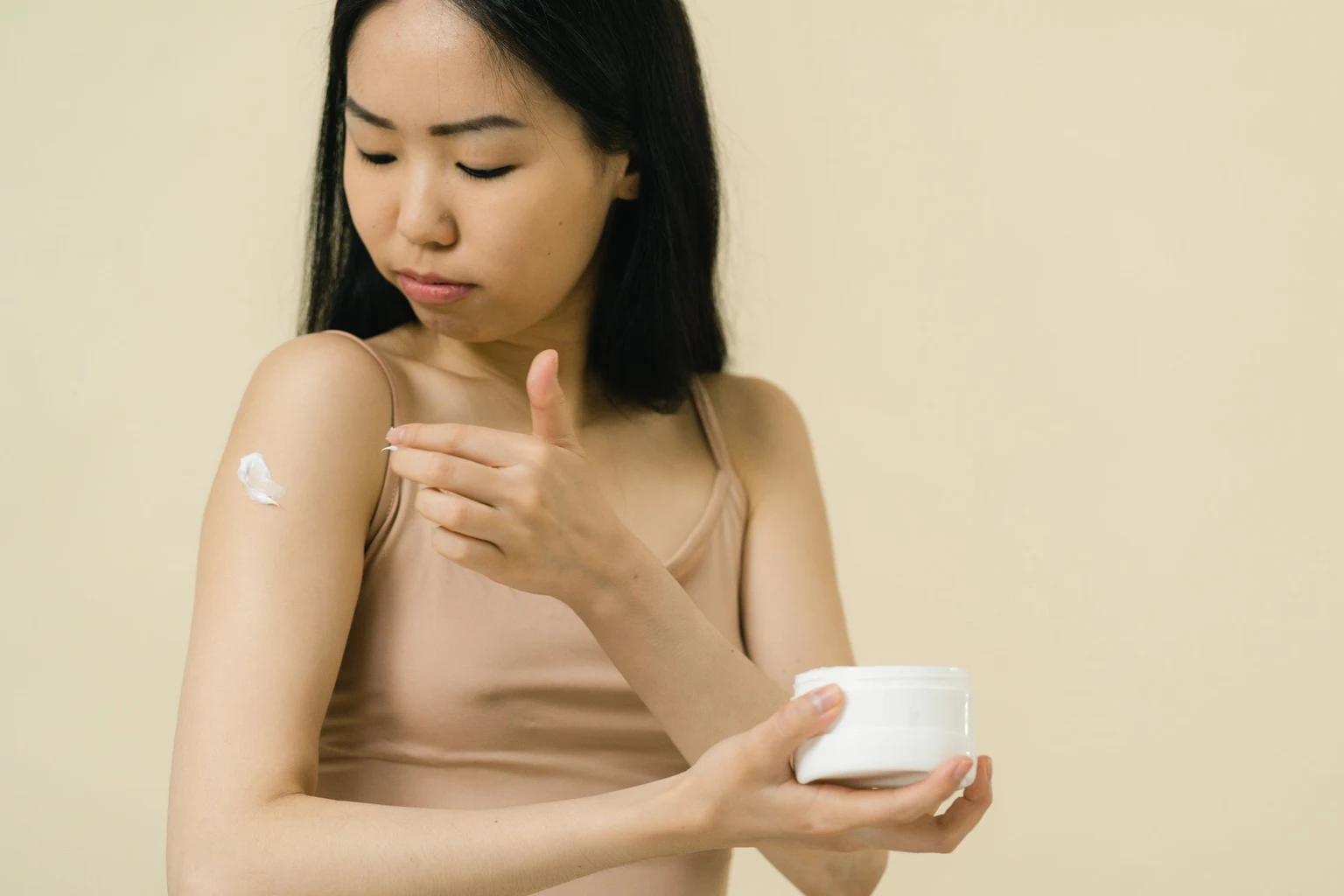
"Weakened skin" is not one diagnosis. It may describe a dry, easily irritated surface, skin that has become thinner with age or sun exposure, crepey texture, easy bruising, or tissue that hangs more loosely after pregnancy or weight change. These problems can overlap, but they do not respond to the same solution.
How Can You Strengthen and Firm Weakened Skin?
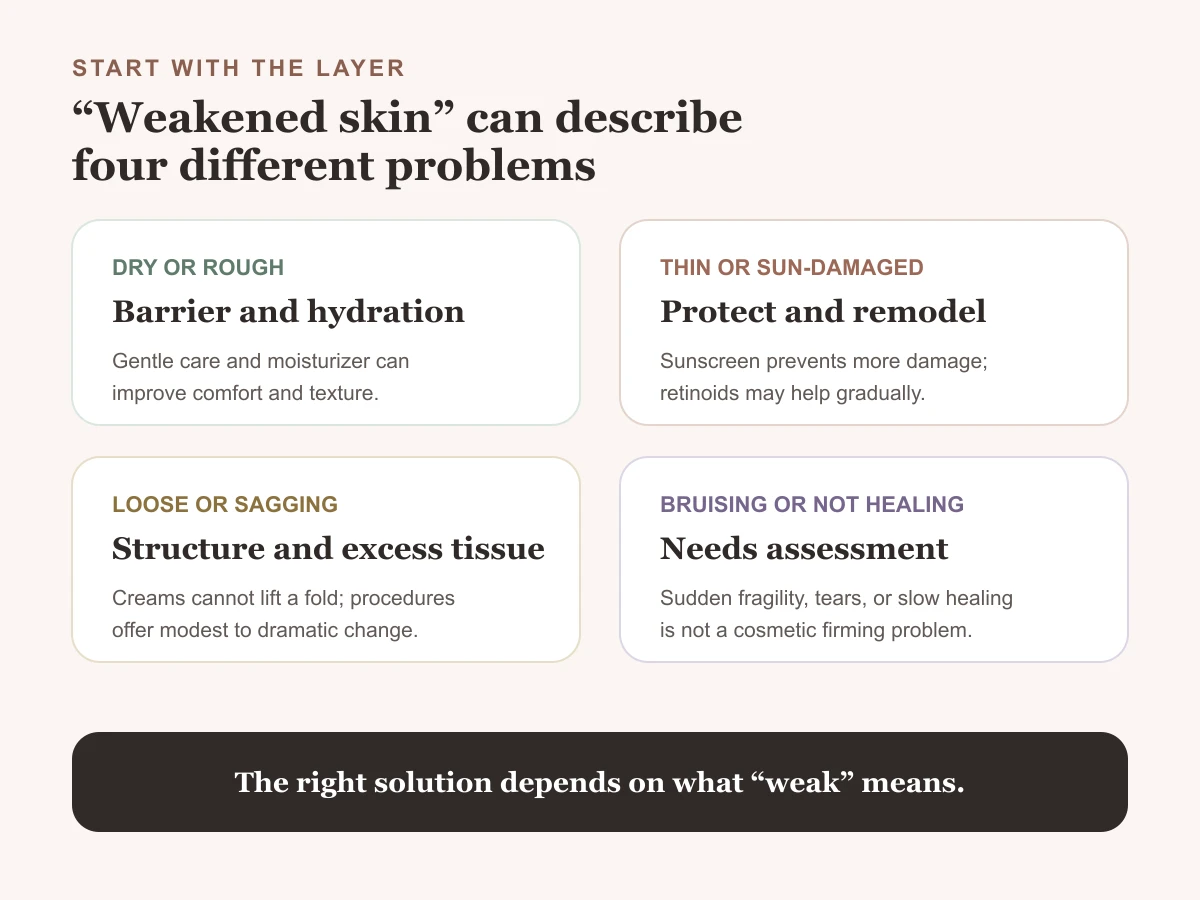
Use a gentle cleanser, apply a fragrance-free moisturizer every day, and protect exposed skin with broad-spectrum SPF 30 or higher. If photoaging and fine texture are the concern, a retinoid may gradually improve the skin when appropriate. Strength training can improve the shape beneath body skin, but no cream can physically lift substantial sagging or remove excess tissue.
 Support Non-AI Creator
The American Academy of Dermatology notes that firming creams produce subtle results at best. Moisturizer can temporarily plump the surface, while noninvasive procedures may create modest tightening in selected people and surgery creates the most dramatic change.
What Does Weakened Skin Actually Mean?
Dryness and Barrier Damage
Skin that feels tight, rough, flaky, itchy, or easily stung may have a disrupted outer barrier. Hot water, harsh soap, over-exfoliation, fragrance, dry weather, eczema, and some acne treatments can increase water loss. This type of "weakness" often responds well to simpler care.
Thin or Sun-Damaged Skin
Ultraviolet exposure and aging affect collagen, elastin, pigment, and skin thickness. The surface may look finely wrinkled or crepey, and the skin may bruise more easily. Years of accumulated change cannot be erased in a week, but preventing additional UV exposure matters at every age.
Loose or Sagging Skin
Skin may drape after major weight loss, pregnancy, or age-related structural change. Hydration can improve the way the surface reflects light, but it does not remove a fold. For abdominal concerns, our guide to tightening loose stomach skin explains the difference between skin, fat, muscle separation, and bloating.
Fragility That Needs Medical Assessment
Frequent unexplained bruising, skin tears, a wound that will not heal, sudden thinning, purple stretch marks, or fragile skin after prolonged steroid use should not be treated as a cosmetic firming problem. Medicines, circulation, nutrition, hormonal conditions, and systemic illness can affect skin integrity.
Do Not Exfoliate Fragile Skin Into Strength
Burning, peeling, and redness are signs of irritation, not proof that collagen is rebuilding. Scrubs, strong acids, undiluted essential oils, and repeated at-home devices can further damage a vulnerable barrier.
A Daily Routine to Support Stronger-Looking Skin
1. Clean Without Stripping
Use lukewarm water and a mild, fragrance-free cleanser where one is needed. The arms, legs, and trunk do not always need vigorous soaping. Pat dry instead of rubbing with a rough towel.
2. Moisturize While Skin Is Slightly Damp
Choose a cream or ointment containing ingredients such as glycerin, ceramides, petrolatum, or dimethicone. These attract water, replace barrier lipids, or slow evaporation. The AAD's dry-skin guidance favors creams and ointments over thinner lotions when dryness is significant.
3. Use Broad-Spectrum Sun Protection
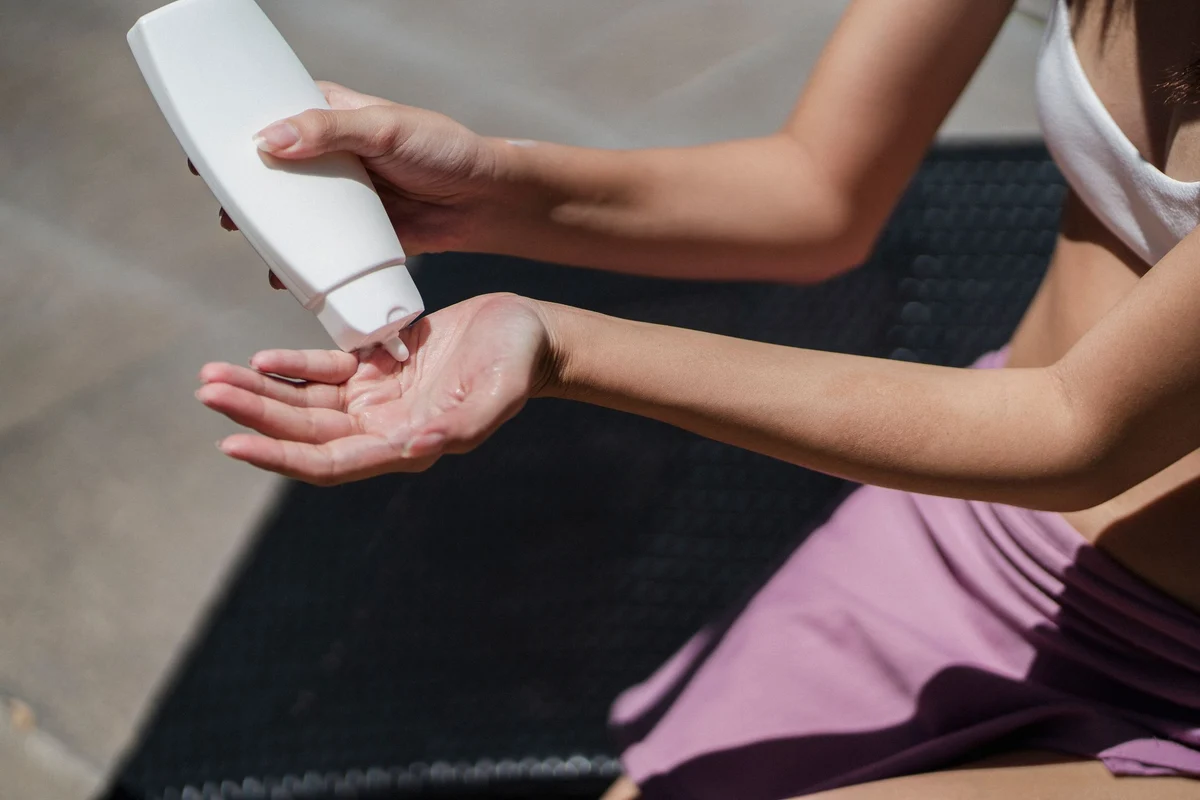
UV exposure accelerates collagen breakdown and uneven pigmentation. Apply broad-spectrum SPF 30 or higher to exposed skin, use protective clothing and shade, and avoid tanning beds. Sunscreen does not tighten existing laxity, but it prevents an avoidable source of additional weakening.
 Support Non-AI Creator
4. Consider a Retinoid Carefully
Retinoids have evidence for improving fine lines and photoaged texture. Start with the least intense suitable product, use it infrequently at first, and moisturize to reduce irritation. The AAD's retinoid guidance recommends gradual introduction. Do not use retinoids during pregnancy; ask a clinician about breastfeeding and sensitive skin.
5. Stop Products That Keep Stinging
More active ingredients do not automatically mean more repair. If a product repeatedly burns, causes a rash, or leaves the skin raw, stop it. A calm routine that you can maintain is more useful than cycling between aggressive treatment and recovery.
Can Nutrition and Exercise Strengthen Skin?
Adequate protein, vitamin C, zinc, essential fats, and overall energy intake support normal tissue maintenance and wound healing. Severe restriction or a true deficiency can affect skin and hair, but supplements do not selectively tighten one body area. Ask a clinician before taking high-dose products, especially if you use medicines or have kidney, liver, or bleeding concerns.
Resistance training can improve strength, posture, and muscle shape beneath the skin. It does not shrink excess skin, but it may improve overall contour and function. Avoid rapid cycles of weight loss and regain when possible, because repeated expansion and contraction can make laxity more noticeable.
 Support Non-AI Creator
Collagen supplements have mixed evidence and are not a substitute for protein intake, sunscreen, or medical care. If you choose one, treat any change as potentially modest and general rather than a guaranteed lift.
Which Professional Treatments Can Improve Firmness?
- Radiofrequency and focused ultrasound: May create gradual, modest tightening by heating deeper tissue in selected candidates.
- Fractional lasers and resurfacing: Can improve photoaged texture and stimulate remodeling, with downtime and pigment-change risk depending on the device and skin tone.
- Microneedling: Creates controlled injury to support remodeling; sterile technique, appropriate depth, and a qualified provider matter.
- Injectables: Fillers can replace volume in specific areas but do not strengthen the entire skin barrier or remove excess skin.
- Surgery: A lift or skin-removal procedure provides the most predictable change for substantial laxity, with scars, recovery, and surgical risk.
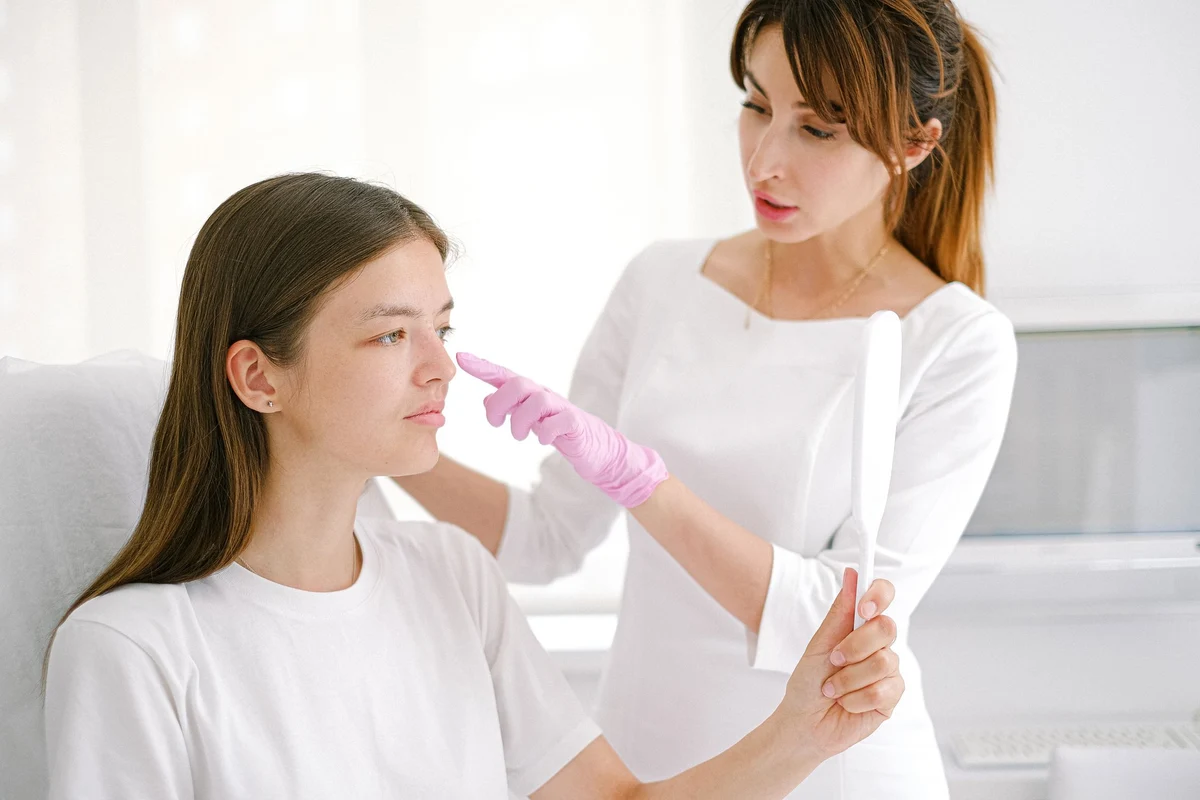
The best option depends on skin tone, the body area, degree of laxity, medical history, budget, and tolerance for downtime. A dermatologist or board-certified plastic surgeon can distinguish a realistic treatment target from a claim that a topical product cannot deliver.
 Support Non-AI Creator
For botanical claims, our guide to anti-aging herbs for skin ranks ingredients by their realistic topical role rather than treating every antioxidant as a firming agent.
When Should Weakened Skin Be Checked?
Arrange medical care for skin that tears with minor contact, unexplained or rapidly increasing bruising, a sore that is not healing, signs of infection, sudden widespread thinning, persistent itch or rash, or changes that began after a medication. Seek prompt care for spreading redness, warmth, pus, fever, severe pain, or blackening tissue.
Bring a list of medicines, supplements, topical steroids, recent weight changes, and relevant health conditions. The cause may need treatment before any cosmetic firming plan makes sense.
Frequently Asked Questions
Can weakened skin become strong again?
A damaged or very dry skin barrier can improve substantially with gentle cleansing, consistent moisturizer, and avoiding irritants. Sun-damaged or age-thinned skin may improve more gradually with protection and evidence-based treatment, but creams cannot fully restore lost thickness or remove substantial loose skin.
What ingredient helps strengthen thin skin?
Daily broad-spectrum sunscreen prevents additional ultraviolet damage. Retinoids have stronger evidence than most cosmetic ingredients for improving fine lines and photoaged skin over time, but they can irritate and are not appropriate during pregnancy. Ceramide-rich moisturizers help when dryness and barrier damage are the main problem.
Can moisturizer firm loose skin?
Moisturizer can trap water and make dry fine lines look temporarily smoother or plumper. It does not penetrate deeply enough to lift a sagging fold or remove excess skin.
How long does it take to improve weakened skin?
Dryness and tightness may improve within days of consistent barrier care. Retinoid and procedure-related changes are usually assessed over months. Significant laxity may not respond enough to topical care and may require a professional consultation.
The Bottom Line
Strengthen the barrier with gentle cleansing and moisturizer, protect collagen with daily sun protection, and consider a carefully introduced retinoid when photoaging is the concern. Exercise can improve the structure beneath body skin, but topical products cannot physically lift substantial loose tissue. Sudden fragility, bruising, tears, or slow healing deserves medical assessment.