
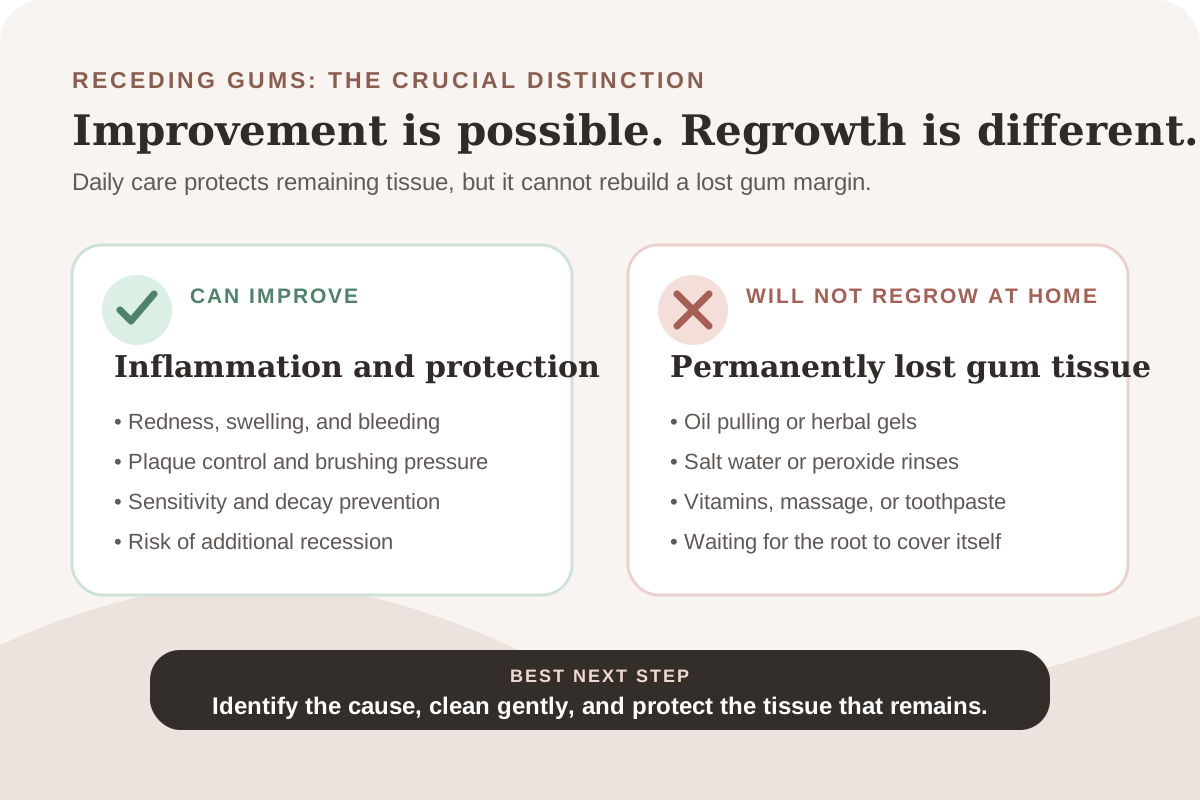
The phrase “heal receding gums naturally” mixes together two different problems. Inflamed gums can become less red, swollen, and prone to bleeding when plaque is controlled. But gum tissue that has permanently receded and exposed more of the tooth or root does not grow back from a rinse, oil, supplement, massage, or toothpaste.
Can Receding Gums Grow Back Naturally?
No. True gum recession is tissue loss or displacement, and home care cannot regenerate the missing gum margin. What you can do is reduce inflammation, stop brushing trauma, improve plaque control, protect exposed roots, address smoking or diabetes, and obtain treatment before the recession or supporting bone loss progresses.
 Support Non-AI Creator
The National Institute of Dental and Craniofacial Research explains that plaque-related gingivitis can usually be reversed with daily brushing, cleaning between teeth, and professional care. Once disease has damaged the tissues and bone supporting teeth, the situation is more serious and needs cause-specific treatment.
Do Not Wait for a Home Remedy to Regrow Tissue
Recession can expose root surfaces, increase sensitivity and decay risk, and sometimes signal periodontal disease. A dental exam is the only reliable way to tell whether you are seeing true recession, inflammation, natural tooth shape, or another problem.
Why Do Gums Recede?
Several factors can act alone or together:
- Periodontal disease: Plaque and tartar below the gumline can drive inflammation, pockets, attachment loss, and bone loss.
- Aggressive brushing: Hard bristles, scrubbing, and excessive pressure can injure the gum margin, especially where tissue is thin.
- Naturally thin gum tissue or tooth position: Some teeth have less protective tissue or sit toward the edge of the bone.
- Tobacco use: Smoking is a major risk factor for gum disease and can reduce treatment success.
- Diabetes and other health factors: Poorly controlled diabetes increases gum-disease risk and can complicate healing.
- Plaque-retaining dental work or crowding: These can make effective cleaning harder.
- Oral piercings or repeated trauma: Jewelry rubbing against the same area can damage gum tissue.
Grinding, clenching, and bite forces may affect teeth and supporting tissues, but recession should not be diagnosed from symptoms alone. A dentist may measure the gumline and periodontal pockets, assess brushing technique and bite, and use X-rays when bone loss is suspected.
7 Easy Ways to Protect Receding Gums
1. Book a Dental Assessment
This is the most important step because the same appearance can have different causes. A professional can document which teeth are affected, measure progression, check for tartar and periodontal pockets, and decide whether you need routine cleaning, deep cleaning, bite or orthodontic assessment, restoration, or referral to a periodontist.
Bring a list of changes you have noticed: sensitivity, bleeding, bad breath, loose teeth, pain when chewing, a tooth looking longer, or a notch near the gumline. Photos taken several months apart can help show whether the position is changing.
2. Use a Soft-Bristled Brush and Light Pressure
The American Dental Association recommends soft bristles and gentle pressure, which may reduce gingival injury. Place the brush around a 45-degree angle toward the gumline and use short, controlled movements rather than horizontal sawing.
An electric toothbrush with a pressure sensor may help if you habitually scrub, but the tool cannot compensate for forcing the head against the teeth. Replace a brush head when bristles spread; rapidly flattened bristles are a clue that you may be pressing too hard.
 Support Non-AI Creator
3. Brush Twice Daily With Fluoride Toothpaste
Fluoride does not regrow gum tissue, but it helps protect tooth structure. Exposed roots do not have the same enamel covering as the crown and can be more vulnerable to sensitivity and decay. Brush for about two minutes and spit out the excess rather than immediately washing all the toothpaste away.
If exposed roots are sensitive, ask a dentist about a desensitizing or high-fluoride product appropriate for you. Severe, localized, or sudden sensitivity also needs evaluation for a cavity, crack, worn filling, or other cause.
4. Clean Between Teeth Every Day
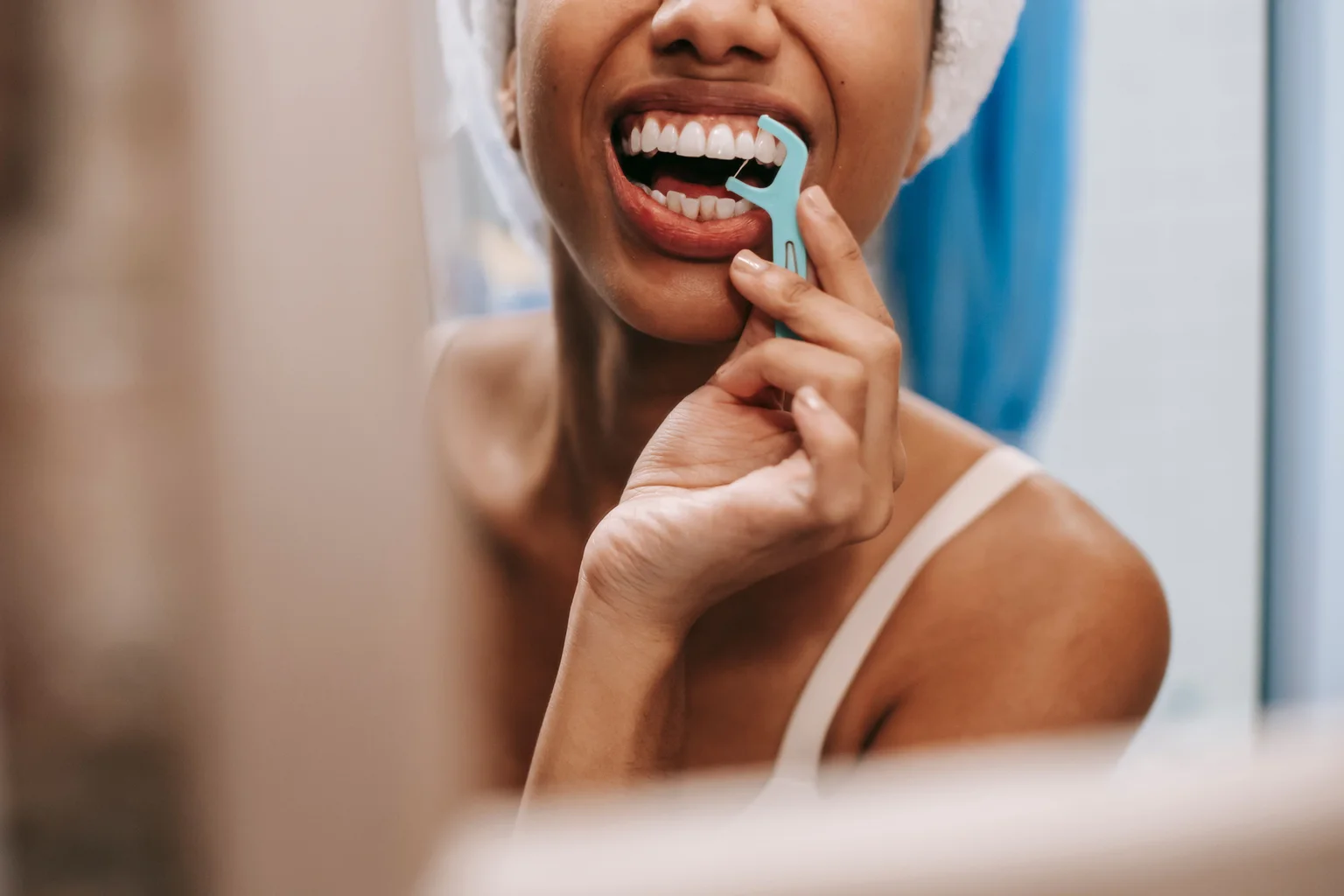
A toothbrush misses surfaces between teeth. Floss, interdental brushes, water flossers, or other tools may be appropriate depending on spacing, dexterity, dental work, and gum health. The best option is one you can use gently and consistently.
Do not snap floss into the gum. Slide it through the contact, curve it around one tooth, and move it carefully along the side. A dental hygienist can demonstrate the technique and size interdental brushes without causing unnecessary trauma.
 Support Non-AI Creator
5. Have Tartar Removed Professionally
Plaque can harden into tartar, which brushing and flossing cannot remove. NIDCR notes that tartar requires cleaning by a dentist or dental hygienist. If tartar and bacterial deposits extend below the gumline, scaling and root planing may be recommended.
Do not scrape tartar with household tools. It is easy to cut the gums, scratch root surfaces, push deposits deeper, or miss active disease while creating the impression that the area is clean.
6. Stop Tobacco and Support Diabetes Control
Smoking is one of the most significant modifiable risk factors for periodontal disease and can make treatment less successful. Vaping and smokeless tobacco are not gum-regrowth strategies either. Ask a clinician or quitline about evidence-based cessation support.
If you have diabetes, work with your medical and dental teams on glucose management and regular periodontal care. NIDCR advises people with diabetes to report bleeding, swollen, sore, or otherwise changing gums rather than waiting for symptoms to become severe.
7. Reduce Irritation While You Wait for Care
Avoid hard-bristled brushes, whitening products that sting the exposed area, picking at the gumline, and highly acidic foods or drinks when they trigger sensitivity. Do not place aspirin against the gum; it can burn tissue. If a removable retainer, denture, piercing, or other object repeatedly rubs the same site, arrange an adjustment.
Routine dental care is a practical form of preventive self-care, not a failure to solve the problem naturally. Earlier assessment usually leaves more options for preserving tissue and protecting the tooth.
Natural Remedies That Do Not Regrow Gums
Oil Pulling
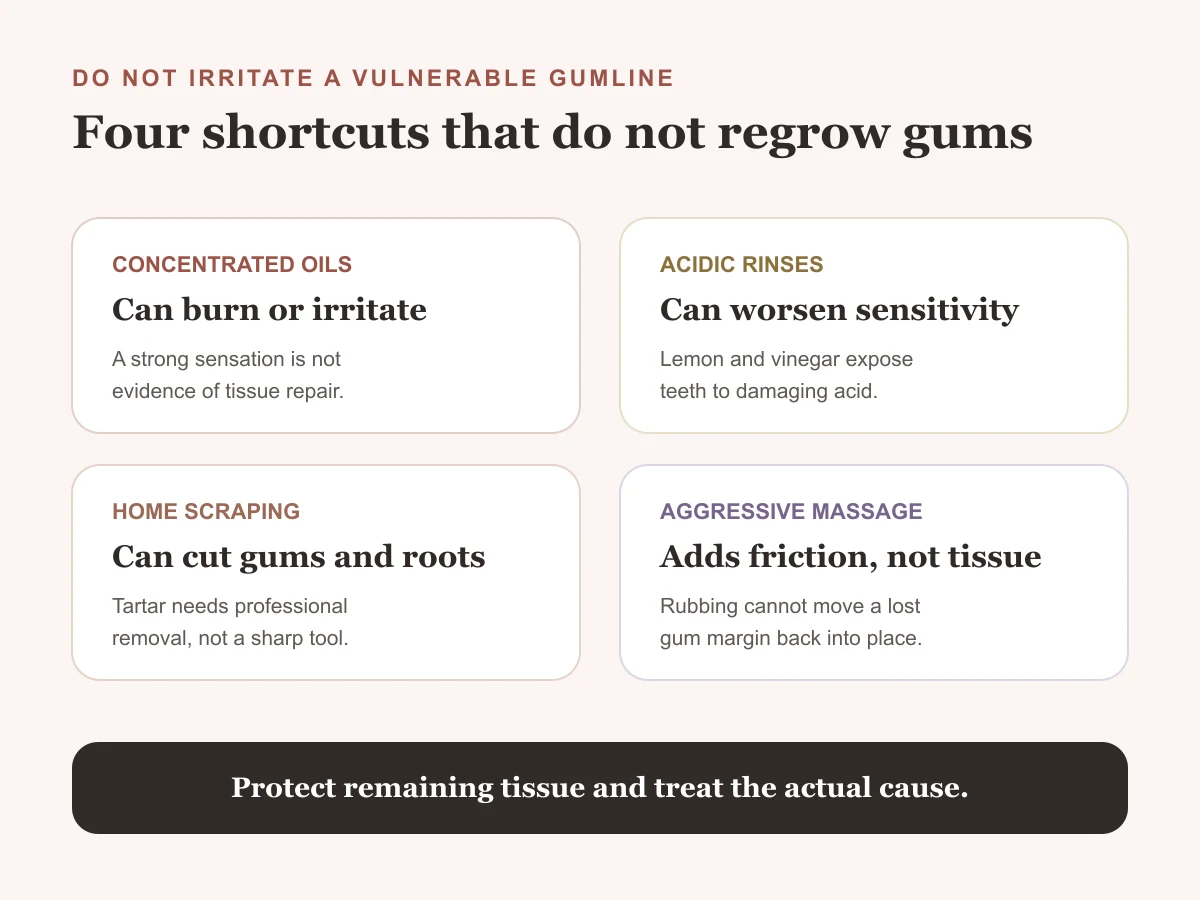
Swishing coconut or sesame oil does not rebuild gum tissue, cover exposed roots, or remove hardened tartar. It can also create a false sense that professional treatment is unnecessary. Never aspirate or swallow oil intentionally, and do not substitute it for fluoride toothpaste and interdental cleaning.
Salt Water
A dentist may recommend a mild salt-water rinse for short-term comfort after certain procedures or irritation. It does not reverse recession. Strong or frequent solutions can dry or irritate oral tissue, so more salt is not more healing.
Hydrogen Peroxide, Baking Soda, Lemon, and Vinegar
Concentrated peroxide can irritate or burn tissue. Scrubbing with baking soda or other powders can add abrasion. Lemon and vinegar expose teeth to acid and may worsen sensitivity or erosion. Kitchen ingredients are not a safe way to force the gumline upward.
Essential Oils and Herbal Gels
Tea tree, clove, peppermint, eucalyptus, aloe, turmeric, and herbal products are often marketed for gums. Even if a product temporarily changes breath, soreness, or plaque measures, that is not evidence of tissue regeneration. Essential oils can irritate oral tissue and should not be swallowed or applied undiluted.
Gum Massage
Gentle contact may feel soothing, but rubbing does not move a permanently receded gum margin back over the root. Vigorous massage can add trauma. Use the pressure and technique recommended by your dental professional rather than trying to create redness or tingling.
 Support Non-AI Creator
How Dentists Treat Receding Gums
Treatment depends on whether recession is stable, sensitive, cosmetically concerning, difficult to clean, or associated with active periodontal disease.
- Professional cleaning: Removes plaque and tartar that home care cannot reach.
- Scaling and root planing: Deep cleaning below the gumline for selected cases of periodontal disease.
- Ongoing periodontal maintenance: Helps control recurrence after treatment.
- Desensitizing treatment or bonding: May protect an exposed root or reduce sensitivity in suitable cases.
- Orthodontic or bite-related management: Considered when tooth position or trauma contributes.
- Gum grafting or other periodontal surgery: Can cover an exposed root and help prevent additional recession in selected patients.
The American Academy of Periodontology explains that gum graft surgery uses tissue from the palate or another donor source to cover exposed roots and may reduce sensitivity or further tissue loss. It is not required for every receded area; stability, tissue thickness, hygiene, symptoms, and personal goals all matter.
When Should You See a Dentist?
Arrange an appointment if a tooth appears longer, a root is visible, the gumline has changed, or sensitivity persists. Seek prompt care for:
- gums that bleed frequently or swell;
- persistent bad breath or a bad taste;
- pus between the gum and tooth;
- pain with chewing;
- a loose or shifting tooth;
- a rapidly changing gumline;
- a sore or ulcer that does not heal;
- fever, facial swelling, or spreading redness.
Do not assume that a lack of pain means the gums are healthy. Periodontal disease can progress quietly. The NIDCR gum-disease guide lists receding gums, loose teeth, painful chewing, and persistent bad breath among warning signs that deserve assessment.
Frequently Asked Questions
Can receding gums grow back naturally?
No. Once the gum margin has permanently moved away from the tooth and tissue has been lost, brushing, oil pulling, salt water, vitamins, or herbal products cannot regrow it. Gingivitis-related redness and swelling can improve, and good care can help prevent further recession.
What is the fastest way to stop receding gums?
There is no single fast remedy because treatment depends on the cause. Arrange a dental exam, switch to a soft-bristled brush with gentle pressure, clean between the teeth daily, stop tobacco use, and follow treatment for plaque, tartar, gum disease, bite trauma, or another identified factor.
Does salt water heal receding gums?
A mild salt-water rinse may temporarily soothe irritated tissue after some dental procedures, but it does not rebuild lost gum tissue or remove tartar. Frequent or overly concentrated rinses can irritate the mouth. Use it only when your dental professional recommends it.
Can oil pulling reverse gum recession?
No. Oil pulling has not been shown to regenerate lost gum tissue, cover an exposed root, or treat periodontitis. It should not replace fluoride toothpaste, interdental cleaning, professional removal of tartar, or treatment recommended by a dentist or periodontist.
The Bottom Line
Receding gums do not naturally grow back, but that does not mean nothing can improve. Gentle brushing, fluoride toothpaste, daily interdental cleaning, professional tartar removal, tobacco cessation, health management, and timely dental treatment can calm inflammation and protect the tissue that remains. Skip remedies that promise regrowth and focus on identifying and controlling the cause.