
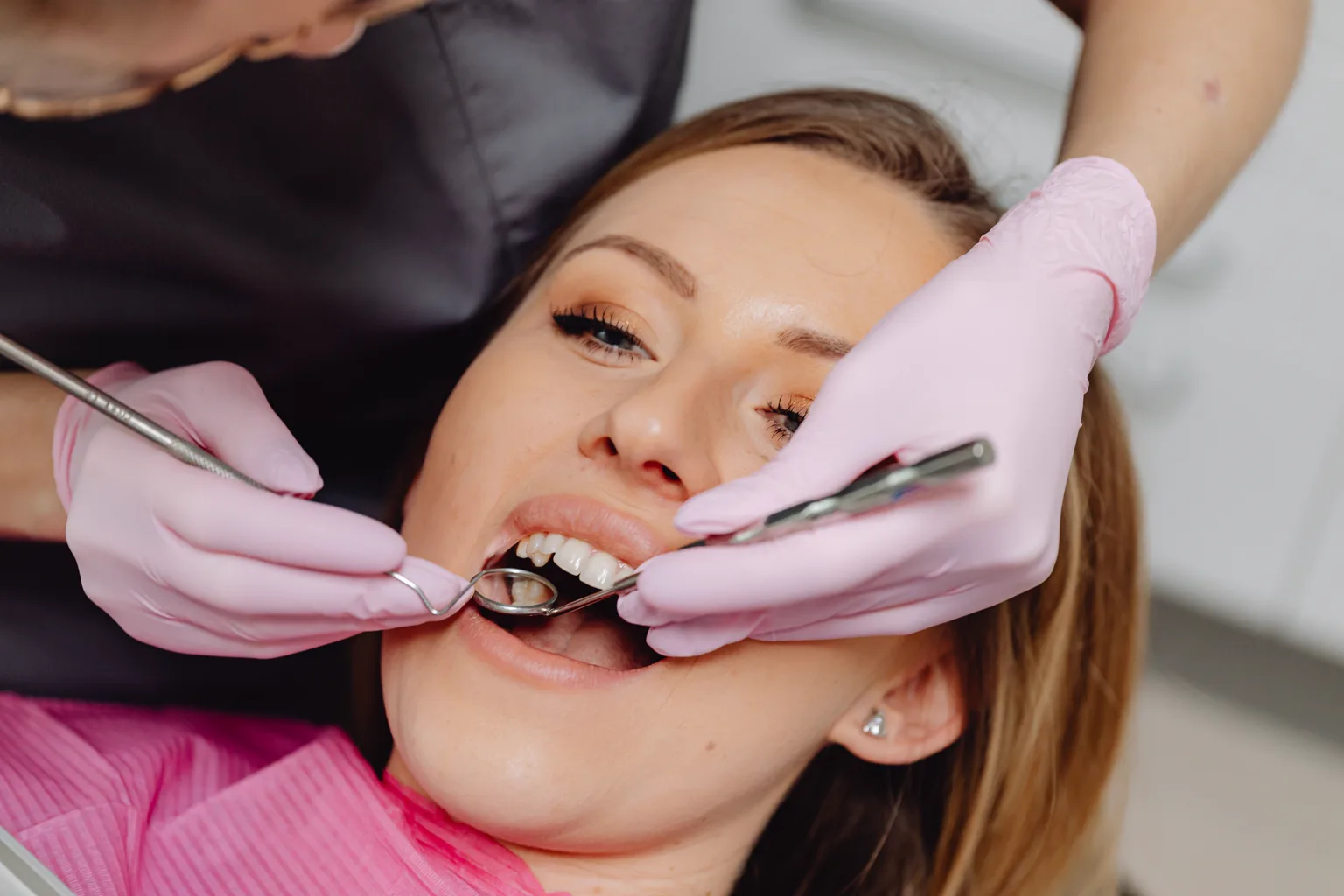
Searches for ways to regrow receding gums naturally often combine three different goals: calming inflamed gums, stopping recession from getting worse, and replacing tissue that has already been lost. Home care is important for the first two. It does not accomplish the third.
Can Receding Gums Regrow Naturally?
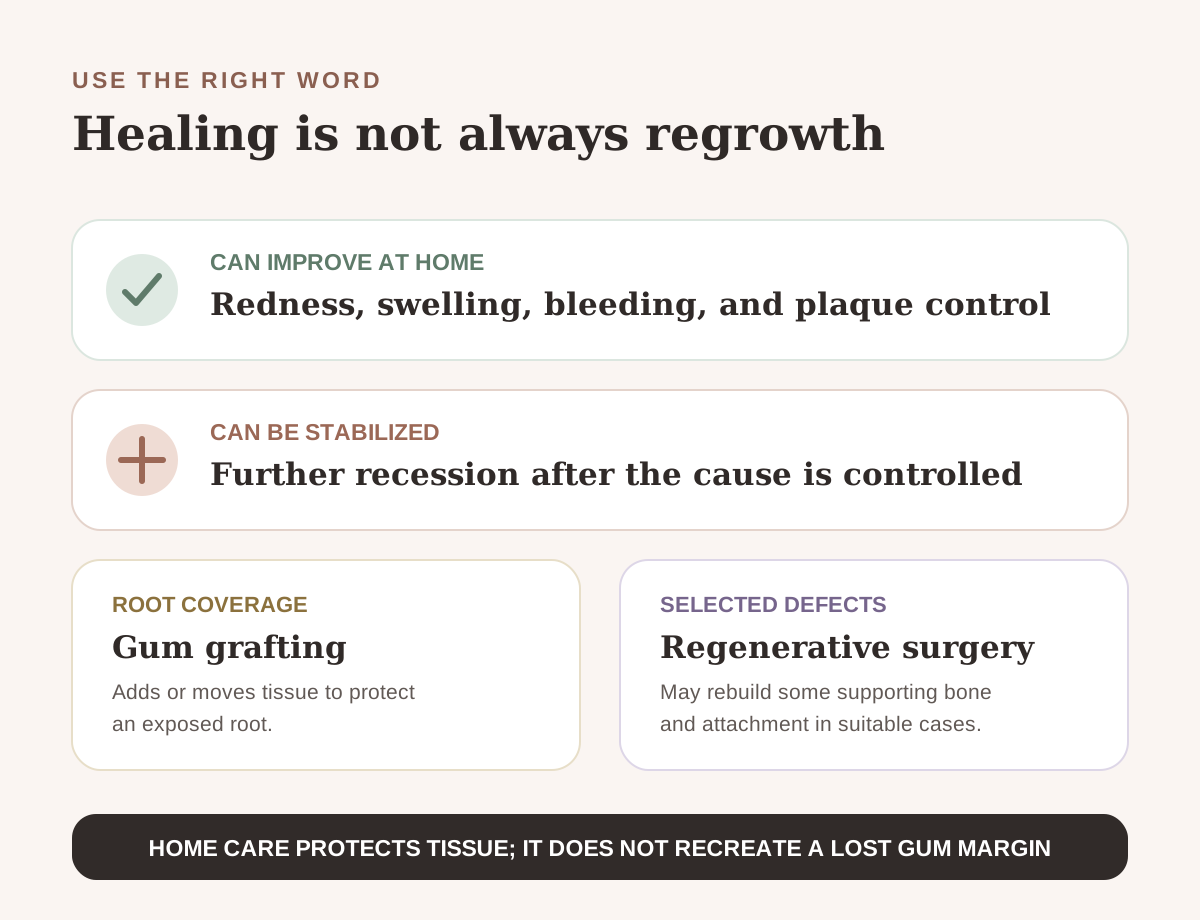
No. Once the gum margin has permanently moved away from the tooth, salt water, oil pulling, aloe, massage, toothpaste, and supplements cannot make the missing tissue grow back over the root. Red, swollen gums can become healthier and less puffy when gingivitis improves, but that visible change is not regeneration.
 Support Non-AI Creator
For a complete daily routine, see our companion guide to protecting receding gums with gentle home care. This article focuses specifically on what "regrowth" means and which dental procedures can restore coverage or supporting tissue.
What Does Gum Regrowth Actually Mean?
Reversing Gingivitis
Gingivitis is inflammation caused by plaque at the gumline. Bleeding, redness, and swelling can improve with effective brushing, interdental cleaning, and professional care. The National Institute of Dental and Craniofacial Research explains that gingivitis can be reversed, while periodontitis involves loss of the tissues and bone supporting teeth.
Stabilizing Recession
If aggressive brushing, plaque, tobacco, a piercing, tooth position, or another factor is driving recession, controlling it may stop or slow further change. Stability is valuable even when the gumline does not move back.
Covering an Exposed Root
Periodontal plastic surgery can move or add gum tissue over an exposed root. This may reduce sensitivity, improve appearance, make cleaning easier, and protect the root. It is restoration through treatment, not spontaneous natural regrowth.
Regenerating Supporting Tissue
Certain patterns of periodontal bone and attachment loss may be treated with membranes, bone grafts, or tissue-stimulating proteins. These techniques aim to regenerate selected supporting defects. They are not suitable for every tooth, and they do not mean every receded gumline can be rebuilt completely.
What Can Natural Home Care Do?
Remove Plaque Gently Every Day
Brush twice daily with fluoride toothpaste and a soft-bristled brush. Use light pressure and short movements at the gumline rather than horizontal scrubbing. Clean between teeth with floss, interdental brushes, or another tool recommended for your spacing and dexterity.
Get Tartar Removed Professionally
Plaque that hardens into tartar cannot be brushed away. Trying to scrape it with household tools risks cutting the gums and damaging roots. A hygienist or dentist can remove deposits and measure pockets to determine whether deeper periodontal treatment is needed.
 Support Non-AI Creator
Protect Exposed Roots
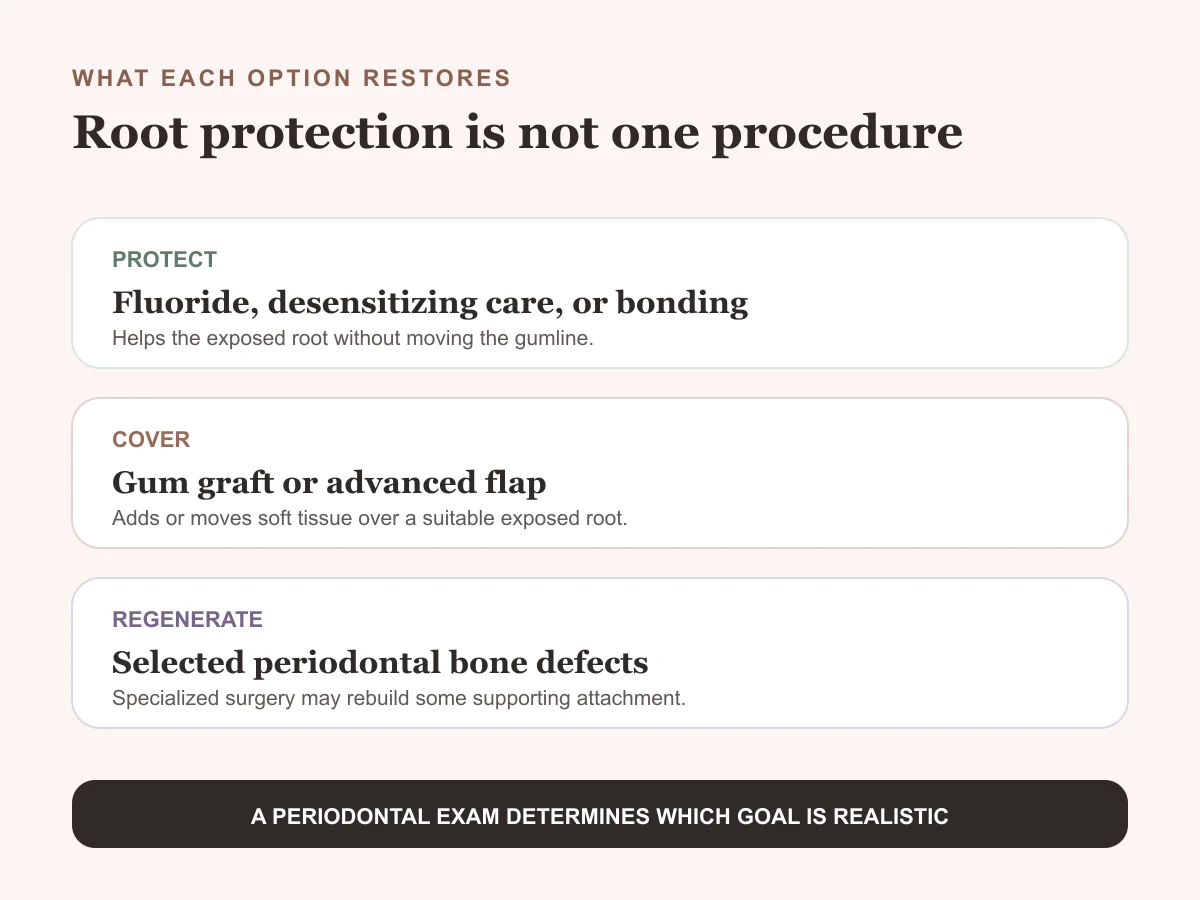
Fluoride toothpaste helps protect root surfaces, which do not have the same enamel covering as tooth crowns. A dentist may recommend desensitizing toothpaste, fluoride varnish, bonding, or a prescription-strength product if sensitivity or decay risk is high.
Address Modifiable Risks
Avoid tobacco, work with your clinician on diabetes control, and have dental appliances or piercings assessed if they rub the same area. If you clench, grind, or have crowded teeth, a dental assessment can determine whether those factors matter in your specific case.
Do Not Trade Evidence-Based Care for a Regrowth Claim
Oil pulling, concentrated peroxide, acidic rinses, essential oils, and aggressive gum massage can irritate tissue and delay diagnosis. A product that reduces odor or soreness has not necessarily regenerated attachment or bone.
Which Procedures Can Restore Gum Tissue?
Connective-Tissue or Free-Gingival Graft
Tissue is taken from the palate or another source and secured where more coverage or thickness is needed. The goal may be root coverage, a stronger band of tissue, or both. Healing, color match, and coverage vary.
Coronally Advanced Flap
Existing gum tissue is carefully released and moved toward the tooth crown, sometimes with a graft or biologic material. It works best in selected recession patterns with adequate surrounding tissue and bone support.
Donor Tissue or Other Graft Materials
Some procedures use processed donor tissue instead of harvesting a larger piece from the palate. The choice depends on the number of teeth, anatomy, clinician preference, and patient priorities.
Periodontal Regeneration
For certain bone defects caused by periodontitis, a periodontist may place membranes, graft materials, or proteins that encourage the body to rebuild some supporting structures. The American Academy of Periodontology distinguishes regenerative procedures from soft-tissue grafting. Neither is a universal fix.
Bonding or Desensitizing Treatment
Tooth-colored material can sometimes cover a root notch or reduce sensitivity without moving the gumline. This protects the tooth but does not regenerate gum tissue. It may be used alone or alongside periodontal care.
 Support Non-AI Creator
How Do You Choose the Right Next Step?
Arrange a dental examination if a tooth looks longer, a root is visible, or sensitivity persists. A dentist or periodontist may measure recession and pockets, check bleeding and tissue thickness, evaluate tooth position and brushing trauma, and use X-rays to assess bone.
 Support Non-AI Creator
- Inflammation without tissue loss: improve plaque control and professional cleaning.
- Stable, shallow recession without symptoms: monitor and protect the root.
- Progressive recession or thin tissue: correct the cause and consider grafting.
- Periodontal pockets or bone loss: treat active disease before cosmetic root coverage.
- Pain, pus, loose teeth, swelling, or fever: seek prompt care rather than trying another remedy.
Frequently Asked Questions
Can receding gums ever grow back?
Permanently lost or displaced gum tissue does not naturally grow back. Redness, swelling, and bleeding from gingivitis can improve, which may make gums look healthier, but that is not the same as moving a receded gum margin back over an exposed root.
Can a gum graft regrow gums?
A gum graft adds tissue to protect or cover an exposed root. It restores coverage rather than making a home remedy trigger spontaneous regrowth. The amount of root coverage depends on tooth position, bone support, tissue type, and the procedure used.
Can bone and gum tissue regenerate after periodontal disease?
In selected periodontal defects, a periodontist may use membranes, graft materials, or tissue-stimulating proteins to encourage regeneration of some lost bone and supporting tissue. These procedures do not apply to every pattern of recession or bone loss.
What is the best natural way to protect receding gums?
Use a soft-bristled brush with light pressure, brush twice daily with fluoride toothpaste, clean between teeth, avoid tobacco, and have tartar removed professionally. These steps help protect tissue but do not replace a dental diagnosis or regrow a lost gum margin.
The Bottom Line
Natural care can reverse gingivitis, reduce injury, and help stabilize a vulnerable gumline. It cannot recreate a gum margin that has been permanently lost. If root coverage or regeneration is the goal, a periodontal exam can determine whether grafting, a regenerative procedure, bonding, or careful monitoring fits the actual problem.